Sustainability has become a defining priority in the global celebrations and décor industry. As environmental awareness grows—and regulations tighten across the United States, Europe, and parts of Asia—balloon manufacturers, event planners, and retailers are increasingly turning their attention to eco-friendly materials.
This shift is not driven by trends alone. It reflects a long-term change in how consumers expect party décor to be produced, used, and disposed of. Biodegradable balloons, natural latex materials, and responsible event practices are now essential components of modern balloon production.
This article provides a clear, fact-based overview of environmentally conscious balloon options and outlines practical strategies for businesses transitioning toward sustainable solutions.
1. What “Eco-Friendly Balloons” Actually Means
The term eco-friendly balloons is often misunderstood. It does not simply refer to recyclable packaging or reduced plastic. A balloon product can be considered environmentally conscious when it meets at least one of these criteria:
-
made from natural, renewable materials
-
biodegradable under real-world conditions
-
free from harmful additives or heavy metals
-
produced using sustainable tapping or harvesting methods
-
part of a responsible usage and disposal system
Understanding these criteria helps businesses avoid “greenwashing” and focus on meaningful sustainability.
2. Natural Latex Balloons: The Industry Standard for Biodegradability
Origin and Composition
Natural latex latex is harvested from Hevea brasiliensis (rubber trees) without cutting them down. The tapping process is similar to the way maple trees are tapped for syrup—renewable and low-impact.
Latex balloons are composed primarily of:
Biodegradation Performance
Under proper conditions—sunlight, heat, and microbial activity—natural latex balloons break down at a rate comparable to a leaf or natural rubber product.
Key facts:
-
Latex balloons degrade significantly faster than synthetic rubber or plastic alternatives
-
No petroleum-based plastics are used in quality natural latex balloons
-
They do not break down instantly, meaning responsible disposal still matters
Environmental Benefits
-
renewable raw material
-
supports sustainable agriculture
-
minimal long-term microplastic impact
-
generally free of PVC and chlorine
Natural latex balloons remain the most widely accepted eco-friendly option in the décor industry.
3. Foil (Mylar) Balloons: Durable but Not Biodegradable
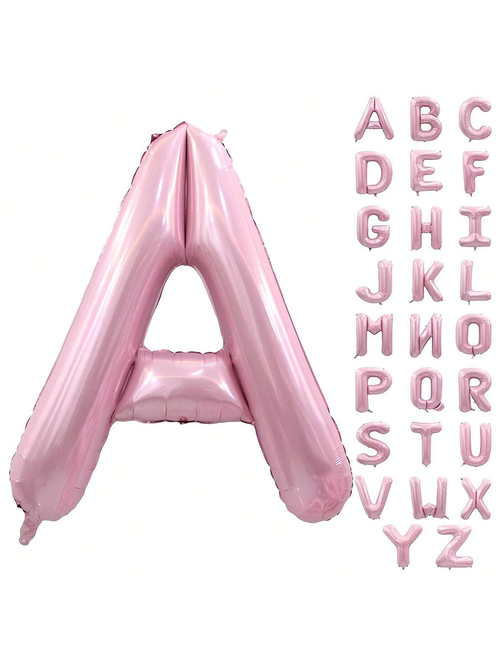
Foil balloons create vibrant displays and support full-color printing, but they are made from a PET + aluminum laminate and are not biodegradable.
Environmental considerations:
-
long-lasting material
-
recyclable only in specialized facilities
-
not suitable for balloon releases
-
pose a risk if entangled in power lines or natural environments
Sustainable Approaches for Foil Balloons
-
offering refillable foil balloons for repeated use
-
reducing unnecessary packaging
-
clearly labeling disposal instructions
-
positioning foil balloons as premium indoor décor, not outdoor floating items
Foil balloons still have a place in the market, but they must be used responsibly.
4. Regulatory Landscape & Compliance
Around the world, balloon-related environmental rules are tightening:
United States
Several states restrict the release of helium balloons. Retailers are increasingly required to provide disposal guidance.
European Union
Chemical safety regulations (REACH) impact dye usage, child safety standards, and labeling.
Australia & New Zealand
Stricter enforcement around balloon releases and mandatory environmental disclaimers.
Global Retail Policies
Many large retailers now require:
Understanding these rules helps brands avoid compliance risks.
5. Common Misconceptions About Eco-Friendly Balloons
Myth 1: All latex balloons are biodegradable
Not necessarily. Only natural latex balloons degrade efficiently.
Synthetic latex blends do not.
Myth 2: Biodegradable means safe to release into the sky
Biodegradable ≠ safe for wildlife. Balloon releases are discouraged globally.
Myth 3: Foil balloons are recyclable everywhere
Only a small number of facilities accept metallized PET materials.
Myth 4: “Eco-friendly” colors are limited
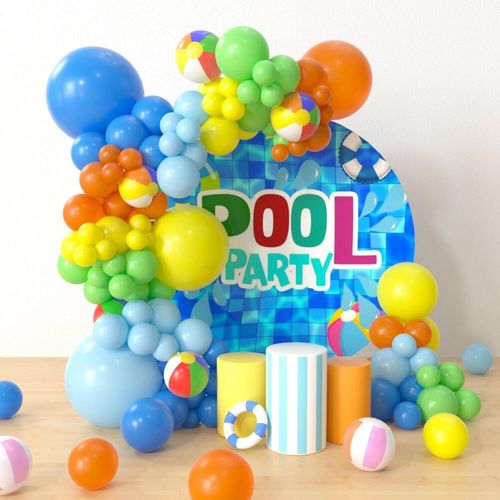
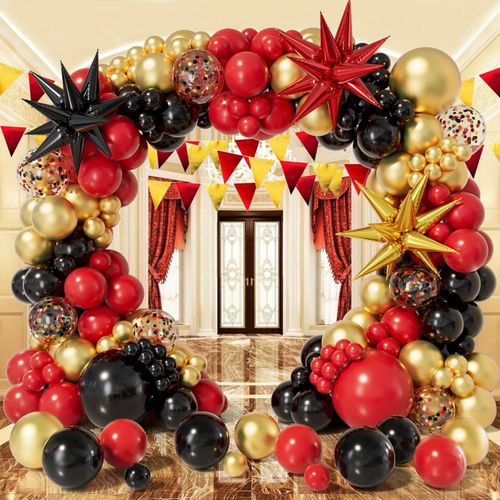
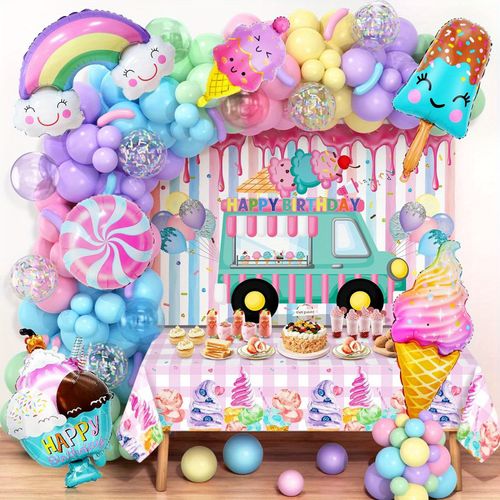
Modern natural latex can achieve a full spectrum of professional color finishes, including matte, metallic, opaque, and pastel.
6. Practical Recommendations for Businesses
1. Offer Eco-Labeled Product Lines
Create a specific category or packaging label for:
-
100% natural latex balloons
-
biodegradable balloon options
-
reduced-plastic packaging
Clear labeling increases customer trust.
2. Educate Customers on Responsible Use
Include a simple card or graphic explaining:
-
avoid balloon releases
-
dispose of balloons after use
-
recycle foil balloons where acceptable
-
keep balloons away from wildlife areas
Education strengthens brand credibility.
3. Prioritize Sustainable Supply Chain Partners
Work with manufacturers who:
-
use certified natural latex
-
follow clean production processes
-
comply with REACH and other safety standards
-
reduce chemical additives
4. Combine Sustainability With Design Innovation
Eco-friendly products can still be premium and visually stunning.
Trends like:
5. Use Your Sustainability Efforts as a Marketing Asset
Modern consumers—especially millennials and young families—actively seek earth-friendly options for parties and events.
Brands gain an advantage when they highlight their efforts clearly and honestly.
7. Conclusion
Eco-friendly and biodegradable balloons are no longer niche alternatives—they represent the future of the celebration industry. As environmental expectations continue to rise, businesses that embrace natural latex materials, responsible usage guidelines, and sustainable packaging will lead the next phase of growth.
By choosing thoughtful materials and educating customers, brands can create memorable celebrations while reducing their environmental impact. Sustainability is not just a trend—it is an essential pathway for long-term success in the balloon market.